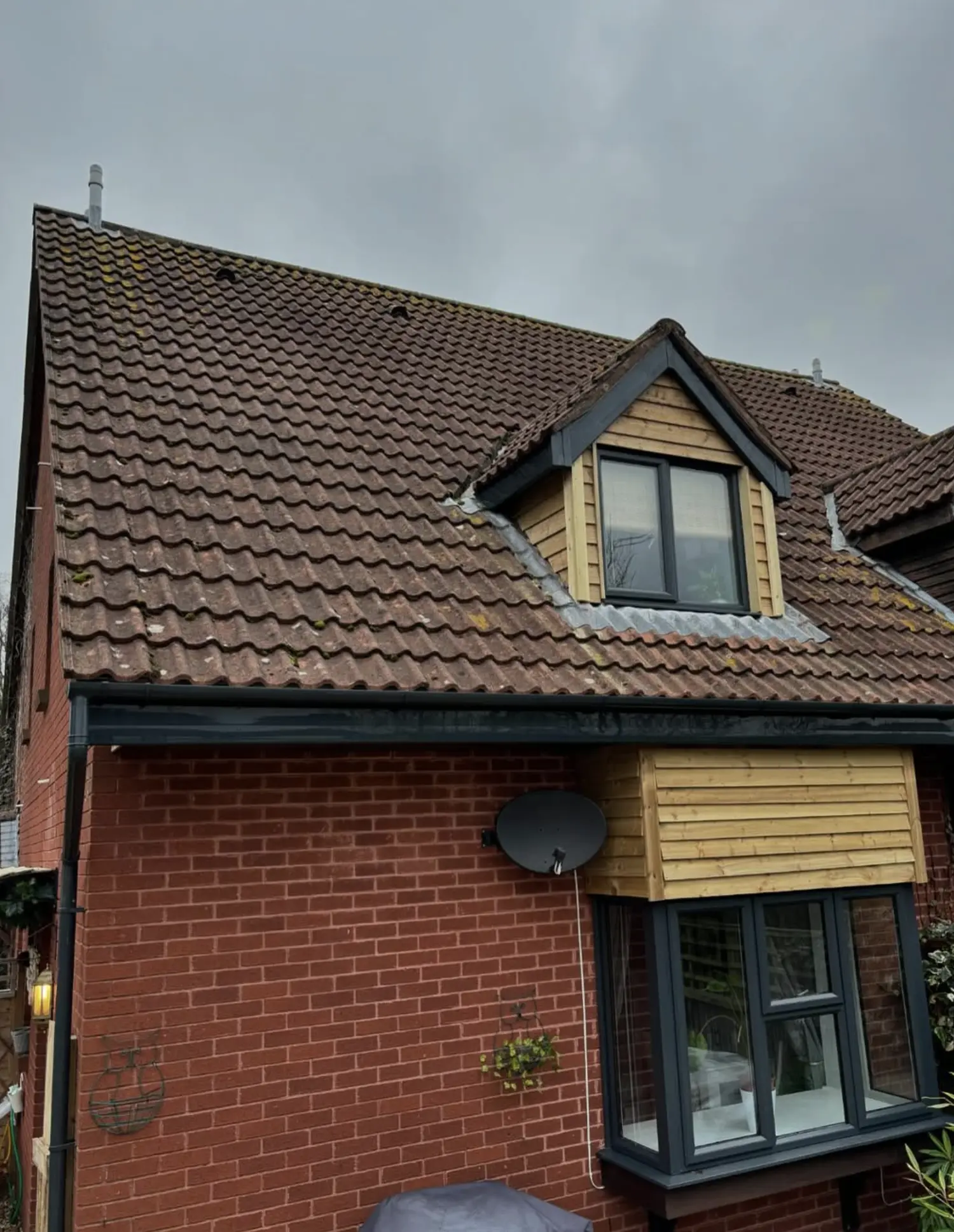
Roofs are one of the most important parts of any home, providing shelter and protection. But they can also be one of the most treacherous places to be. Whether you’re a homeowner or a professional, there are several things you should not do on a roof. One wrong move can lead to injuries, damage or costly repairs. Below are things you should never do on a roof.

1. Don’t Walk on a Wet or Icy Roof
Walking on a wet or icy roof is a recipe for slipping and falling. Moisture makes roofing materials super slippery and even professional roof cleaners take extra precautions in those conditions. Always wait for dry weather before inspecting or doing any maintenance on your roof. Make sure you have wet weather gear for safety. Adverse weather and environmental conditions can also create hazardous conditions and increase the risk.
2. Don’t Wear Improper Footwear
Wearing shoes with no grip can be deadly. Avoid sandals, flip-flops or worn-out sneakers. Use non-slip boots or shoes designed for roof walking. Proper footwear is crucial especially on sloping roofs or fragile roof surfaces. Roof workers should always wear personal protective equipment including eye protection and extra protection.
3. Don’t Ignore Safety Gear
Many people think stepping onto a roof is safe without any protective gear. But without a safety harness, guard rails or a temporary edge protection system, even a small misstep can be disastrous. Always use proper safety measures and protective equipment when on a roof. A competent person should conduct a hazard assessment process to implement control measures.

4. Don’t Overload the Roof
Placing too much weight on a roof can cause structural damage. Avoid piling too many tools, equipment or roofing debris as some roofs are not designed to carry heavy loads. If necessary use a pulley system, roof jacks or a scaffold platform to transport materials safely. Construction sites should also have a hierarchy of controls to prevent physical injury.
5. Don’t Fix Without Proper Knowledge
Roofing repairs require expertise. Fixing roofing issues without proper training can lead to more damage and higher repair costs. If you’re unsure what to do, always call a professional contractor or a licensed roofer. Electrical contractors should be consulted if electrical wiring or supply cables are involved in the repair.
6. Don’t Ignore Damage
If you see loose shingles, water damage, brittle roofing material or roof hail damage, don’t ignore them. Minor issues can become major problems if left unchecked. Get a roof inspection at least once a year to keep your roof in good shape and prevent forms of roof damage. Hazards in roof cavities, abnormal corrosion conditions and incomplete roofs need to be addressed immediately.
7. Don’t Work Alone
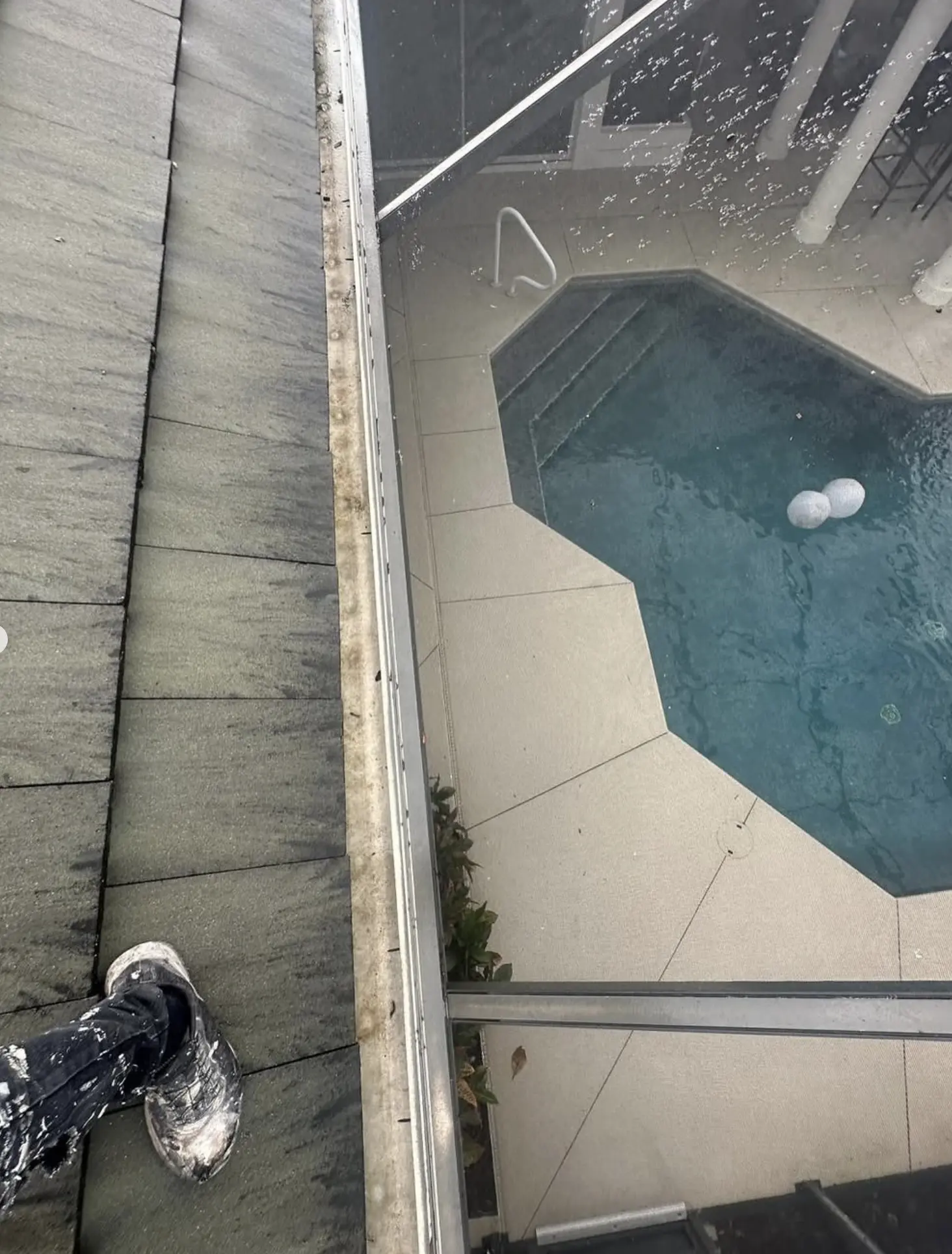
Roof work is hazardous and accidents can happen anytime. Always have someone nearby who can help or call for help in case of an emergency. Employee participation is key to employee safety. Provide training on the Code of Practice and common practice for roof safety measures.
8. Don’t Lean Ladders Against Gutters
Leaning a ladder against the gutters can bend or detach them. Always position ladders on stable surfaces and use ladder stabilizers, cat ladders or extension ladders if needed. Portable ladders should be secured to prevent edge exposure.
9. Don’t Pressure Wash Shingles
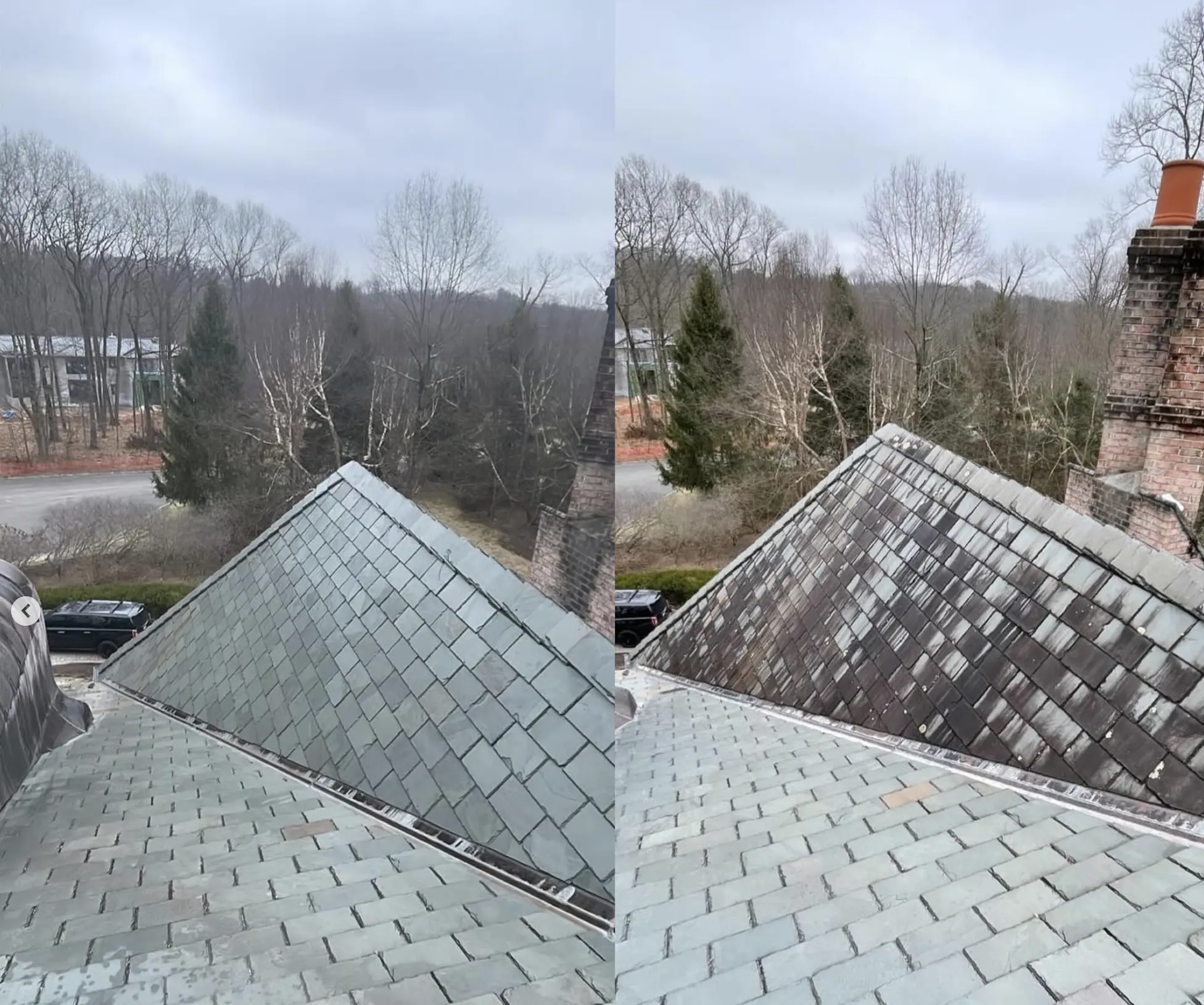
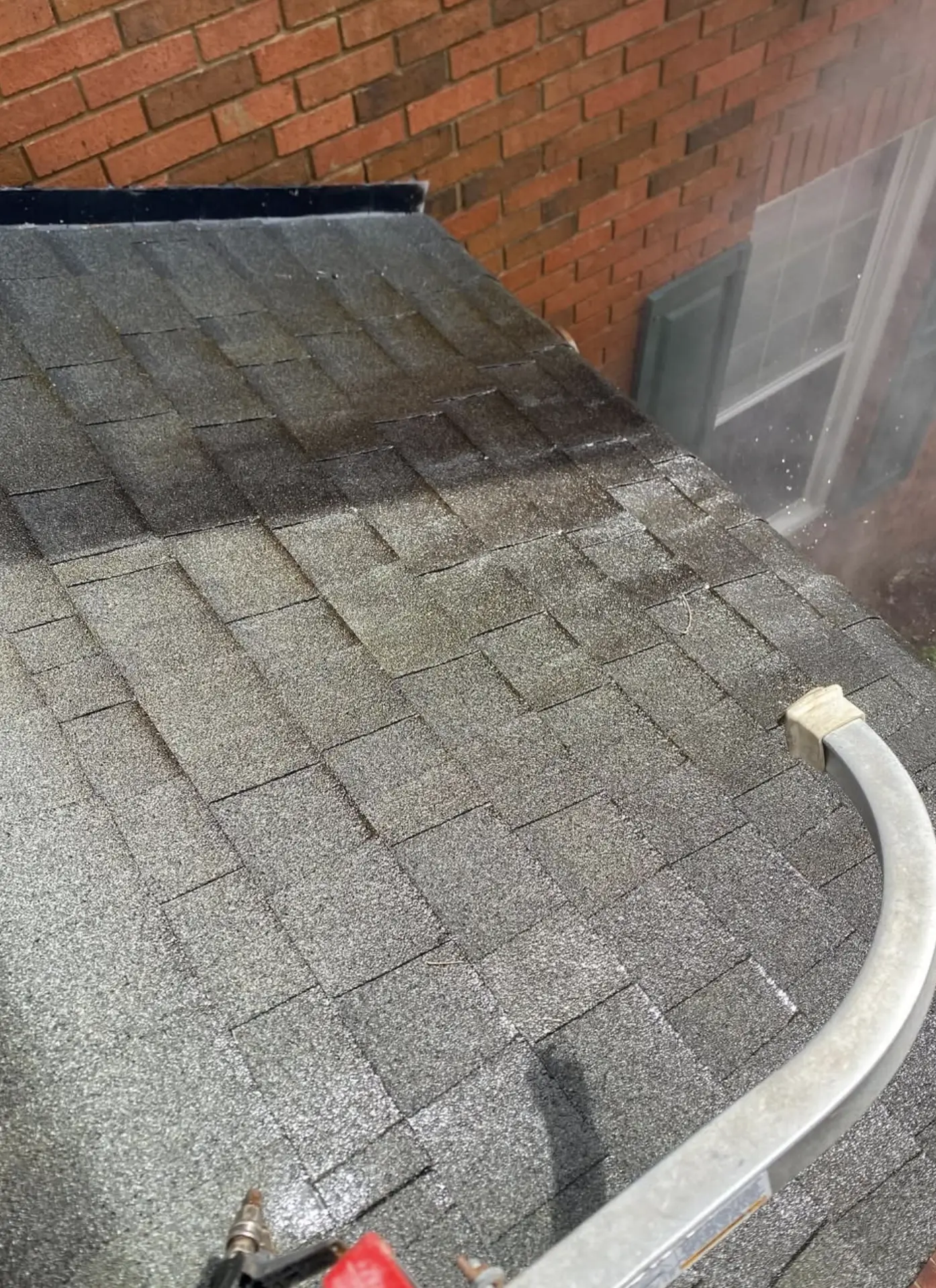
While it may seem like a quick way to clean a roof, pressure washing can damage shingles and reduce their lifespan. Instead, opt for soft washing or hire a professional roof cleaning service that specializes in house washing and soft-wash roof cleaning. Roof cleaning services also do solar panel cleaning and metal roof maintenance. Always hire a professional cleaning service for safe and effective results.
10. Don’t Leave Debris on the Roof
Leaves, twigs and other debris can trap moisture and cause mould growth, leaks and deterioration of roofing materials. Clear off debris regularly to prevent these issues. Dispose of debris safely to avoid damage. Monitor roof areas using physical barriers and static line systems.
Additional Safety Measures
- Roof Access: Use roof access hatches and safe access points when working on the roof.
- Power Lines: Be careful around electric lines and power lines to avoid electrocution.
- Temporary Work Platforms: Use temporary work platforms to avoid worker risks.
- Roof Replacement: When replacing a roof, consult a professional roofing company.
- Fragile Surfaces: Fragile roofs, fragile surfaces and brittle roofs must be handled with care.
- Protection Sheet: Always refer to the protection sheet when working in high-risk areas.
By following these tips and avoiding the mistakes, you can keep your roof healthy and safe.
FAQ
Can I walk on my roof without damaging it?
It depends on the type of roof and roofing material. Some roofs like asphalt shingles and brittle roofs can be damaged by foot traffic. If you must walk on the roof use proper footwear and distribute your weight evenly. Check roof slope and roof ridge stability before stepping on the surface.
What is the safest way to clean a roof?
The safest way is to use a soft wash system which is low-pressure water and cleaning solution. Avoid using pressure washers as they can damage the roofing material. Roof cleaning services can help with professional roof cleaning and solar panels cleaning.
How often should I inspect my roof?
Inspect your roof at least once a year or after adverse weather conditions. Regular inspections help identify potential hazards and forms of roof damage before they become costly repairs. Consider a professional hazard assessment for more safety.
Can I fix a leaky roof myself?
Unless you have experience with roofing repairs, call a professional roofing contractor. DIY repairs can lead to further damage or personal injury due to workers at risk and hazardous conditions. If electrical cables are involved, consult an electrician.
Can I put heavy equipment on my roof temporarily?
Roofs are not designed to take heavy loads for long periods. If you need to put equipment on the roof, consult a structural engineer or a roofing professional to ensure safety. Be aware of the risk of injury.