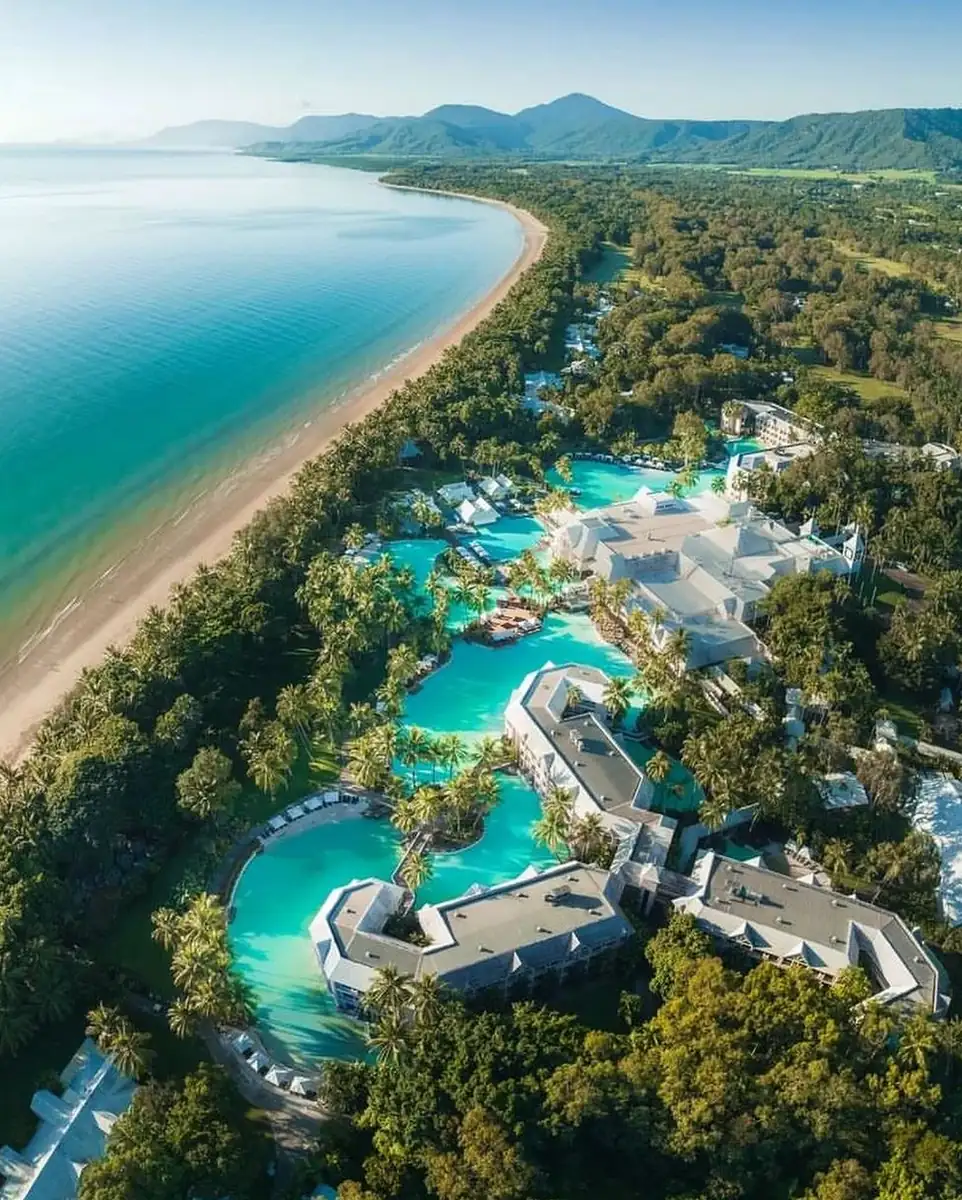
Why Port Douglas is the #1 global destination for 2026’s nature-led luxury & smart tropical escapes comes down to one simple principle: it gives you world-class nature without the mayhem. Travellers in 2026 are looking for real experiences, hassle-free logistics, and places that feel genuinely authentic – not some staged idea from a brochure.
I’ve run trips from one end of Australia to the other for years, and I can tell you – Port Douglas is right on the nail of just the right mix of wild and refined. You’ve got the Great Barrier Reef ticking away on one side, the Daintree Rainforest right next door, and a walkable beach town slap bang in the middle. No imposing high-rise monoliths, no frantic city vibes – just reef, rainforest & good old tropical air to remind you – you’re not back in Melbourne.
Here’s the lowdown on why this place is the buzz of global travel conversations in 2026 – and how to get it right, without making a rookie mistake.
Two World Heritage Sites Right On Your Doorstep
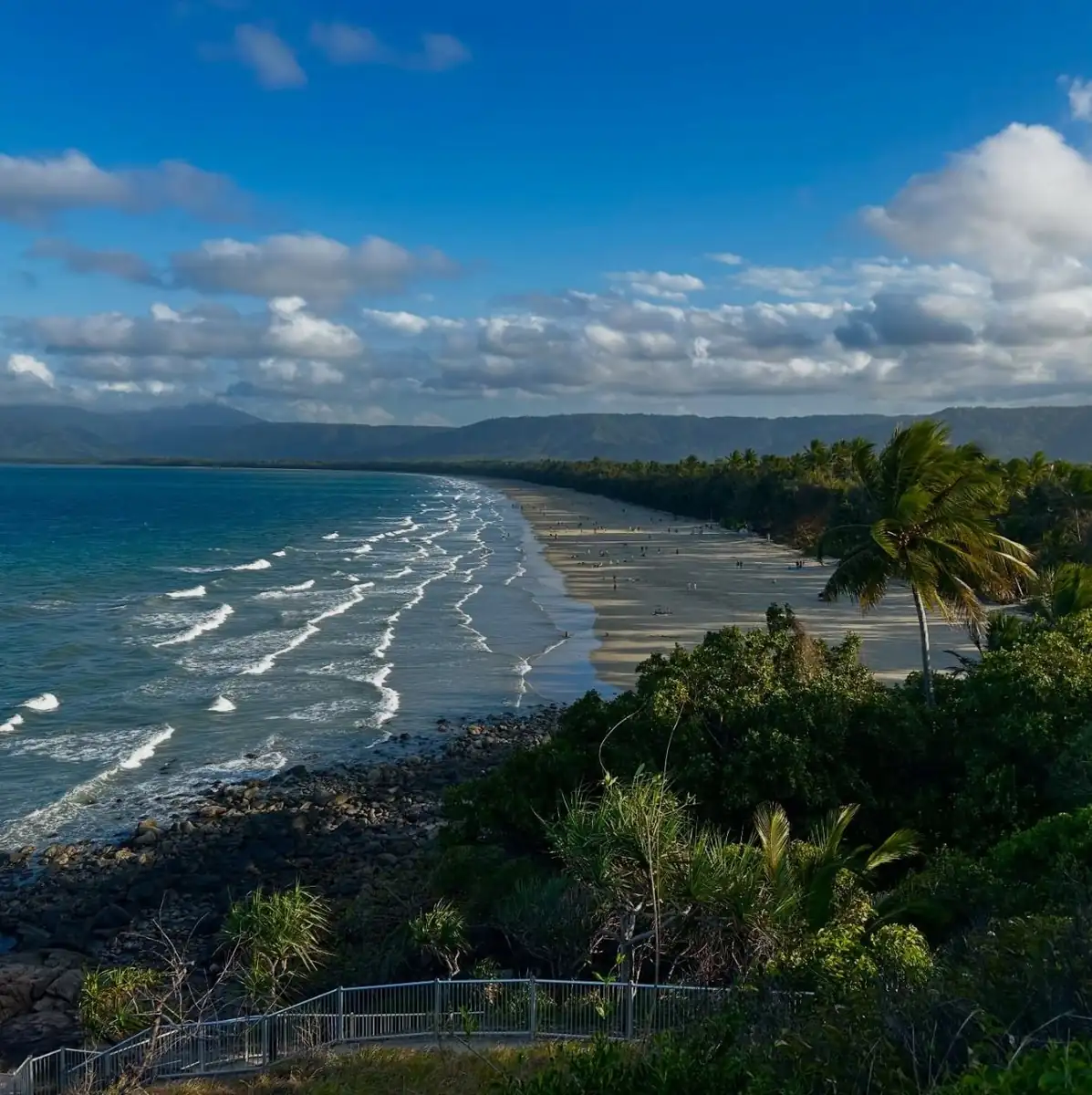
You don’t need to up sticks and move house every night to get a serious nature fix. Port Douglas gives you front-row seats to two of the planet’s most famous ecosystems – without having to repack your case.
The Great Barrier Reef is massive, stretching some 2,300 kilometres along Queensland‘s coast and covering a whopping 344,400 km². And it’s still the largest coral reef system on the planet. Meanwhile, the Daintree Rainforest is part of the Wet Tropics World Heritage Area and is reckoned to be over 180 million years old.
That’s not just marketing hype – that’s an actual geological fact.
Outer Reef Trips That Prioritise Quality Over Quantity
From the Crystalbrook Superyacht Marina, your boat heads out to the outer reef, where your group stays nice & small. Smaller boats = better briefings, less of a squeeze in the water and happier customers all round.
A typical day looks like this:
- We set off early in the morning
- We visit two or three reef sites
- Guided snorkelling or intro-diving
- Lunch on the boat
- We’re back mid-afternoon
Water temperatures are around 24-26°C in the dry season and get up to 27-30°C in summer. During stinger season (November to May), you’ll be wearing a full wetsuit – that’s just part of being sensible in the tropics.
If you’re checking out operators, Great Barrier Reef Tours is a platform that compares the best reef tours in the region. Worth checking them out early in peak season, then.
Rainforest Immersion Without The Tourist Conveyer Belt
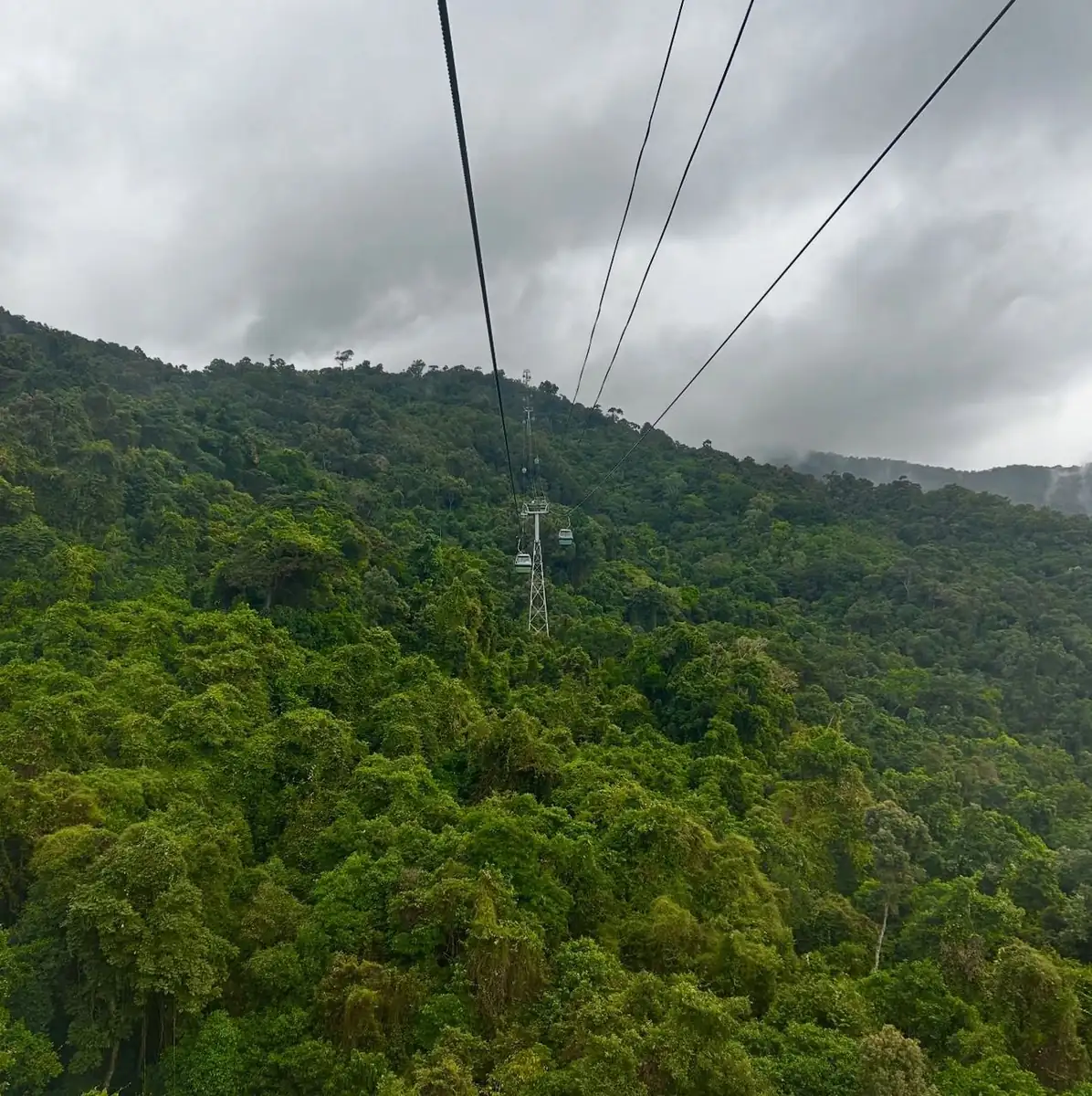
Head north across the Daintree River, and you’re straight into the heart of dense, steamy rainforest country. Cassowary warning signs, thick canopy and heavy air by 9 am every morning.
At Mossman Gorge, Kuku Yalanji guides share stories about Country, bush tucker and the changing seasons. That context makes a rainforest walk way more meaningful.
Just stick to the marked tracks, follow the local guides’ advice and don’t feed any wildlife – simple rules to live by.
Tropical Town With Style And Sand
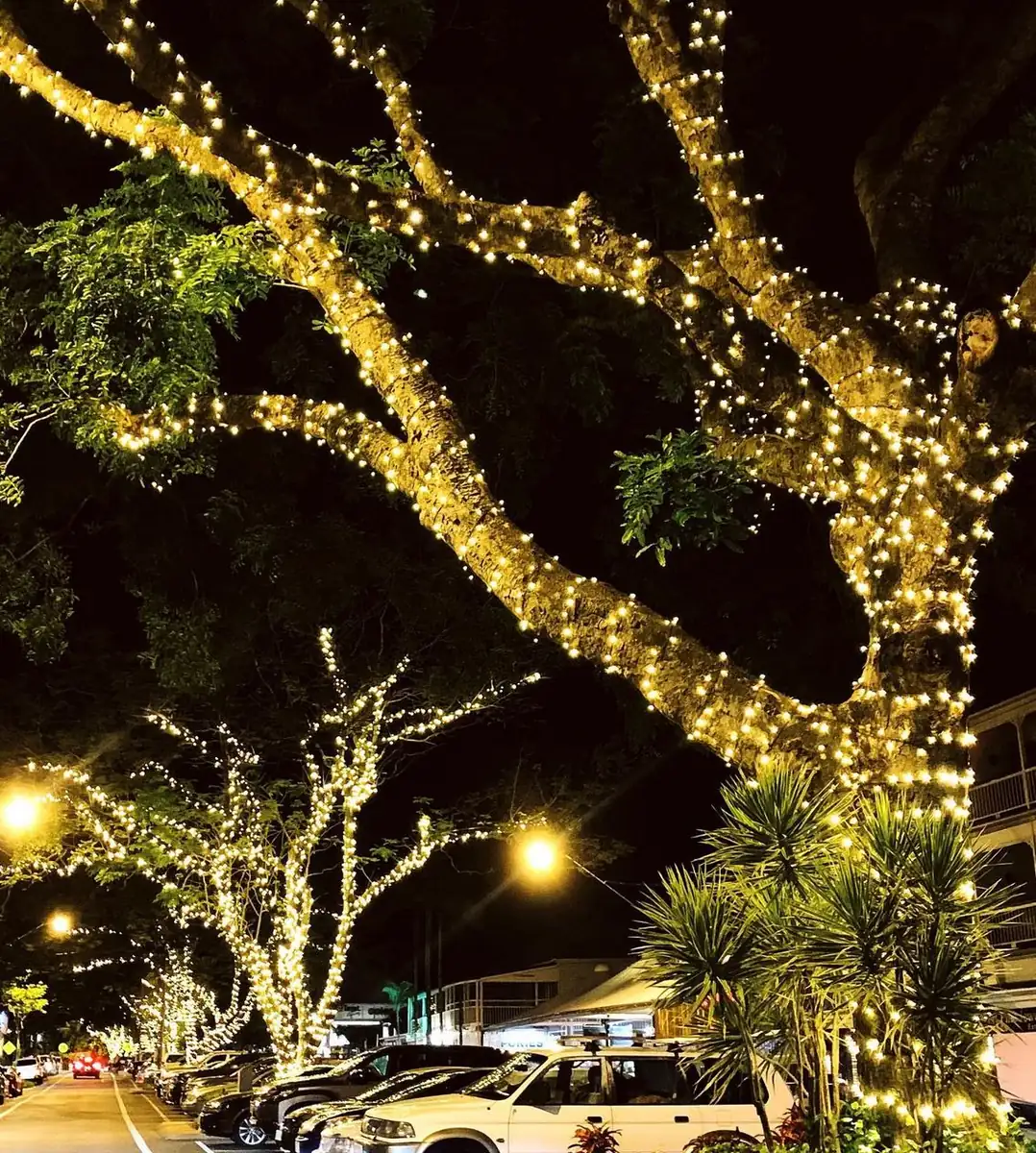
Macrossan Street is the main attraction – a compact, walkable strip that puts quality dining, relaxed bars and some great boutique shopping right at your doorstep, all within easy strolling distance.
This place has a really laid-back vibe but still manages to pack in a touch of elegance. Think modern comfort with a healthy dose of salt air – it’s not trying to be anything too flashy, like some Alpine Style chalet or tacky Deco glamour. No way – this is tropical living that’s been designed to let the breeze in and keep you cool, not to torture you with airless grandeur.
Wide verandas. Ceiling fans are whirring away. Breezeways leading out to the sunshine – you get the idea. This is a practical design that’s been built with the local climate in mind, not like some cookie-cutter holiday town.
Accommodation Options to Suit Your Travel Style
No need to guess when it comes to budgeting – we’ll give it to you straight here.
| 🏨 Stay Type | 💰 Average Nightly Rate (AUD) | 👥 Suits | ✨ Notable Features |
|---|---|---|---|
| Boutique Hotel | $280–$450 | Couples | Central location |
| Apartment | $220–$380 | Families | Self-contained kitchens |
| Premium Resort | $450–$900+ | Honeymooners | Rooftop bar, indoor pool, spa |
| Motel | $150–$220 | Short stays | Simple, functional |
Rates are higher in the dry season (June–October). On the other hand, you can get a better deal and fewer tourists if you come during the shoulder season.
If you actually care about the materials used and whether the place you’re staying is making an effort to keep the environment in mind, you’ll be glad to know that newer buildings in town are starting to give more thought to things like passive cooling and eco-friendly construction. It might not be the first thing that springs to mind, but it’s a big deal.
Climate Reality: Know When To Book
Up in Far North Queensland, the weather is pretty straightforward – two seasons, and that’s it.
| ☀️ Season | 🌡️ Conditions | 📝 Highlights |
|---|---|---|
| Dry Season (May–October) | 23 – 28°C 🌤️ | Clear water, low humidity, no rain |
| Wet Season (November–April) | 28 – 33°C 🌧️ | Lush rainforest, afternoon storms, humid |
Cyclone season officially runs from November to April; most trips go without a hitch, but having a flexible booking policy can save you a lot of grief if a weather system does come through.
I personally think June and July are the months to go – the mornings are crisp, the water’s crystal clear, and the humidity’s still pretty manageable.
Getting Here Is Easy – No Bush Whacking Required
Just fly into Cairns and drive up the Captain Cook Highway – it’s about an hour, then you’re in Port.
The road’s nice and smooth the whole way – no 4wd needed or anything like that. Just watch out for tourists who keep stopping in the middle of the road to get a good photo.
A Quick Look At What You’ll Spend (Per Person, in AUD)
| 🎟️ Item | 💵 Estimated Cost |
|---|---|
| Return flights from Sydney ✈️ | $400 – $800 |
| Airport transfer 🚐 | $45 – $70 |
| Day out on the reef 🚤 | $250 – $350 |
| Rainforest tour 🌿 | $180 – $250 |
| Daily food budget 🍽️ | $60 – $120 |
All up, a four-night stay is going to cost you around $1800 – $2500, depending on how fancy you like your accommodation.
A Four-Day Itinerary That Actually Makes Sense
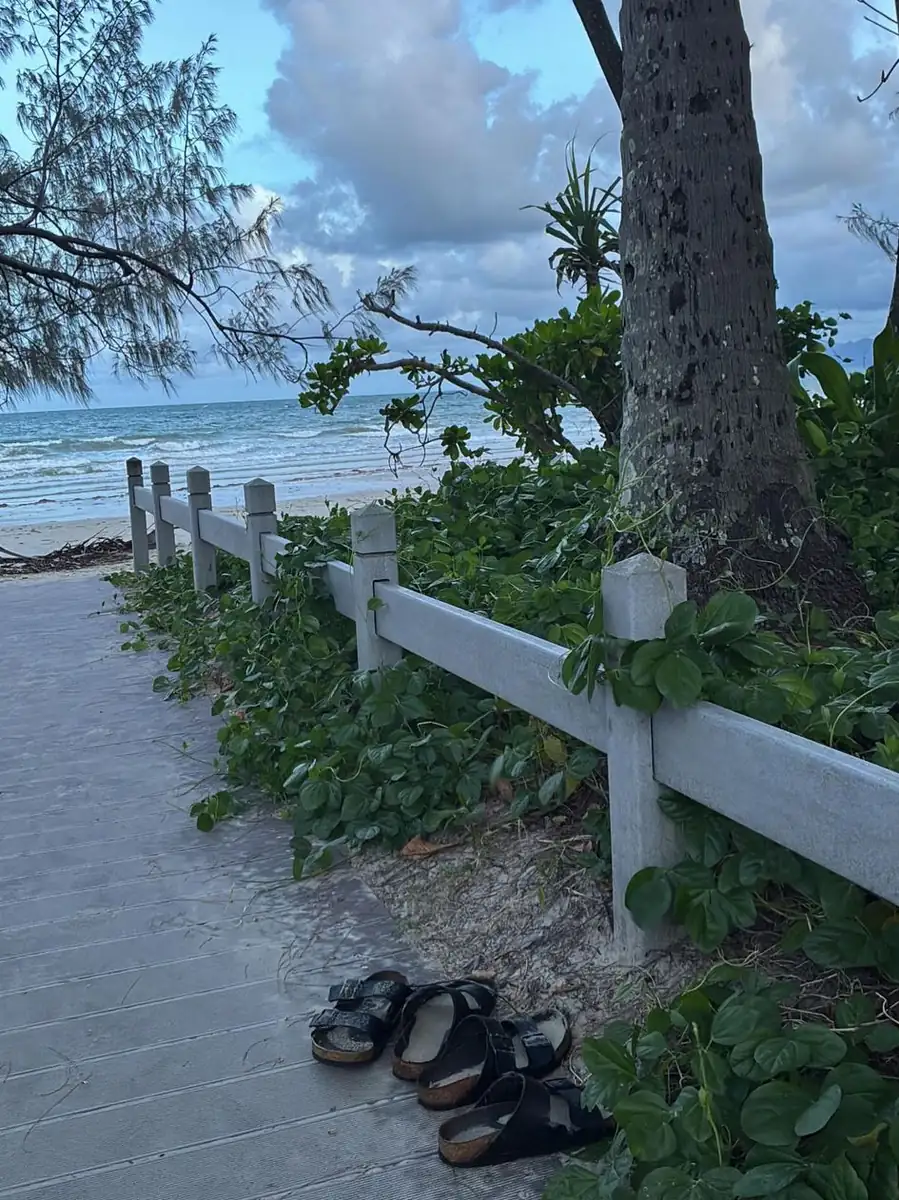
The key to doing a trip like this is not to over-pack it – you want to give yourself time to relax and just take it all in.
Day 1 – Arrival And A Bit Of Beach Time
Spend a bit of time on Four Mile Beach – just chill out and get back to normal
Day 2 – Dive The Reef
Spend the whole day out on the outer reef – he’ll have a sunset drink in town to cap off the day
Day 3 – Explore The Rainforest
Take a trip to Mossman Gorge – do a Daintree River cruise – and then head up to Cape Tribulation for some really cool views
Day 4 – A Chill Out Day
Use this day to do whatever you like – maybe hit the markets if they’re on on a Sunday, or just spend the day lounging by the pool, or maybe grab a snorkelling tour to Low Isles if you’re game
Simple, no overdoing it.
And no – this is not the same as a trip to North Stradbroke Island Day Tour off Brisbane – that’s a whole different vibe. Different ecosystem, different everything.
It’s Not Just A Pretty Face – It’s Actually A Great Place
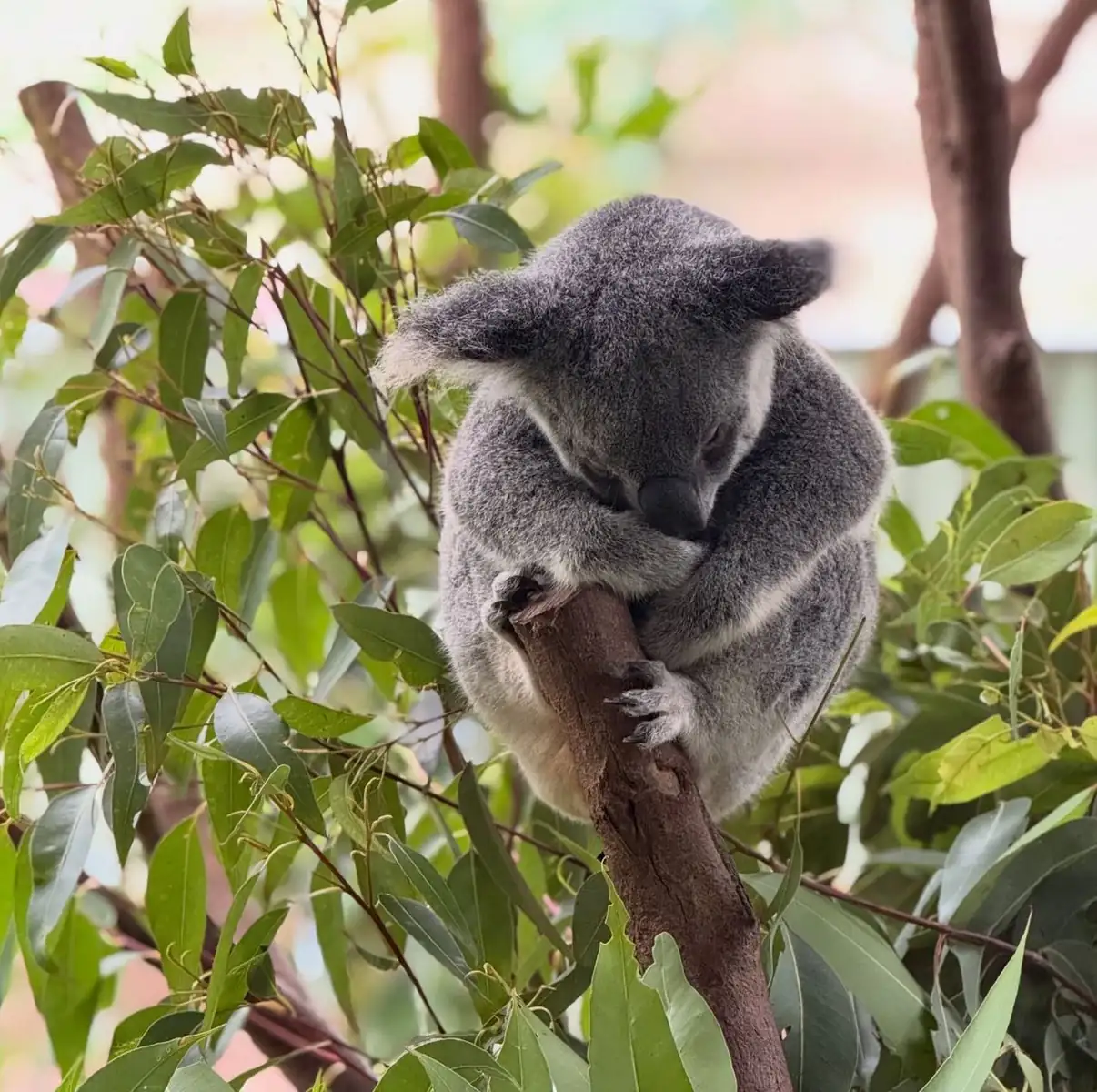
Yeah, it’s fair to say that social media loves Port Douglas – sunrises on Four Mile beach – coral gardens under the water – all that stuff looks amazing.
But it’s not just a pretty face – it’s actually a place that holds up to being visited. Real people come here and actually have a really good time. They don’t just take some pretty snaps on their phone and then forget all about the place. The stories people tell about Port Douglas are actually pretty genuine – people really do get a lot out of coming here.
Sustainability isn’t just a buzzword here
Reef operators are really strict about following guidelines laid down by the Great Barrier Reef Marine Park Authority. So, instead of using anchors, they use moorings to protect the coral. And visitor numbers are carefully managed at all the really sensitive sites.
We’re getting better at working with the Traditional Owners here – and it’s not just about sticking on a cultural tour as an afterthought. These tours are where it’s at.
When you talk about climate justice here, it’s not just about some theoretical conversation – you can see the impact on the reef itself. The water temperature, the coral’s resilience…it’s all there to see. And that kind of transparency does build trust.
A Quick Orientation So You Don’t Get Lost
| 🧭 Direction | 📍 Destination |
|---|---|
| North ⬆️ | The Daintree and Cape Tribulation |
| South ⬇️ | Cairns and the airport |
| East ➡️ | Coral Sea and the reef systems |
| West ⬅️ | Mist-shrouded rainforest ranges |
The town centre is tiny – you can walk most of it. If you want to kill a few hours, you can hire some bikes, but basically just leave the car parked once you get here.
Paul’s Parting Words Of Wisdom
Port Douglas is really the leader of the pack when it comes to what modern travellers are looking for in a destination – it’s got a manageable scale, world-class nature, some genuine sustainability efforts underway and real hospitality. And none of the pretence.
It’s not trying to be some other place like Puerto Rico or pretending to be Mediterranean, no – it’s just confident in being Australian.
So, if you approach it with a bit of smart thinking, keep an eye on the season you’re visiting and don’t have a problem with a bit of tropical weather…then you’ll quickly see why this town in far north Queensland is at the top of all the destination conversations.
Be travel curious – listen to the country and respect the land. And if it gets a bit humid – which it probably will – just go with it. That’s just how the tropics roll.
FAQ
What makes this place stand out internationally?
It’s the combination of reef and rainforest that’s just inside the edge of town – you don’t get that kind of biodiversity in many places, without all the hassle of sprawling cities.
Is the cost worth it?
Well, for what you get in terms of natural access and the quality of the infrastructure, yeah – it’s in the mid-to-upper range in terms of price for Australia, but that’s about right when you think about what most reef destinations charge.
When do the conditions feel most comfortable?
If you’re here between June and October, you might be better off, which means lower humidity and clearer water for the reef. But if you’re here for the wet season, it’s hot and heavy rain, but also, all the rainforest growth is just incredible to see.
Is swimming safe along the main beach?
Just stick with swimming between the flags when the lifeguards are on duty, keep an eye on stinger warnings in the summer months and follow the local signs.
Can you really avoid hiring a car?
Yeah, you can get around on foot or stick with the tours that include transport. If you do want a car, it does give you a bit more freedom to explore, but it’s not essential.